
PE Rattan
PE rattan, also known as synthetic rattan or polyethene rattan, is a modern alternative to natural rattan that has become extremely popular in outdoor and indoor furniture manufacturing. It combines the aesthetic appeal of natural rattan with advanced durability, making it ideal for all weather conditions. Unlike natural rattan, which is susceptible to moisture and sunlight, PE rattan is engineered from polyethylene fibres to resist UV rays, rain, humidity, and temperature changes. This innovation has revolutionized the global furniture industry, allowing manufacturers to create sustainable, stylish, and long-lasting pieces suitable for homes, hotels, resorts, and restaurants.
What is PE Rattan?
PE rattan is a synthetic fibre designed to mimic the look and feel of natural rattan. It is made from polyethylene (PE), a highly durable plastic material, which is then processed and woven into furniture pieces. PE rattan is available in different textures, colours, and thicknesses, making it highly versatile for furniture production. It is lightweight, flexible, and resistant to cracking or fading, which makes it a superior choice for outdoor applications such as patio sets, garden chairs, poolside loungers, and bar furniture.
Why Choose PE Rattan?
There are several reasons why PE rattan is widely preferred over natural rattan in many cases:
- Weather Resistance: Unlike natural rattan, PE rattan does not absorb moisture and can withstand rain, humidity, and sunlight without deteriorating.
- Durability: PE rattan is designed to last 10–20 years, even in extreme outdoor conditions.
- Low Maintenance: Easy to clean with water and mild soap, requiring less care compared to natural rattan.
- Eco-Friendly: PE rattan is recyclable and helps reduce the exploitation of natural rattan sources.
- Versatility: Available in a wide variety of colours, styles, and patterns for different furniture designs.
Applications of PE Rattan
PE rattan is used extensively in modern furniture production, especially for outdoor settings:
- Patio Furniture: Chairs, sofas, dining tables, and lounges.
- Garden Furniture: Benches, daybeds, and outdoor sectionals.
- Poolside Furniture: Sun loungers, bar sets, and deck chairs.
- Commercial Spaces: Hotels, resorts, restaurants, and cafés.
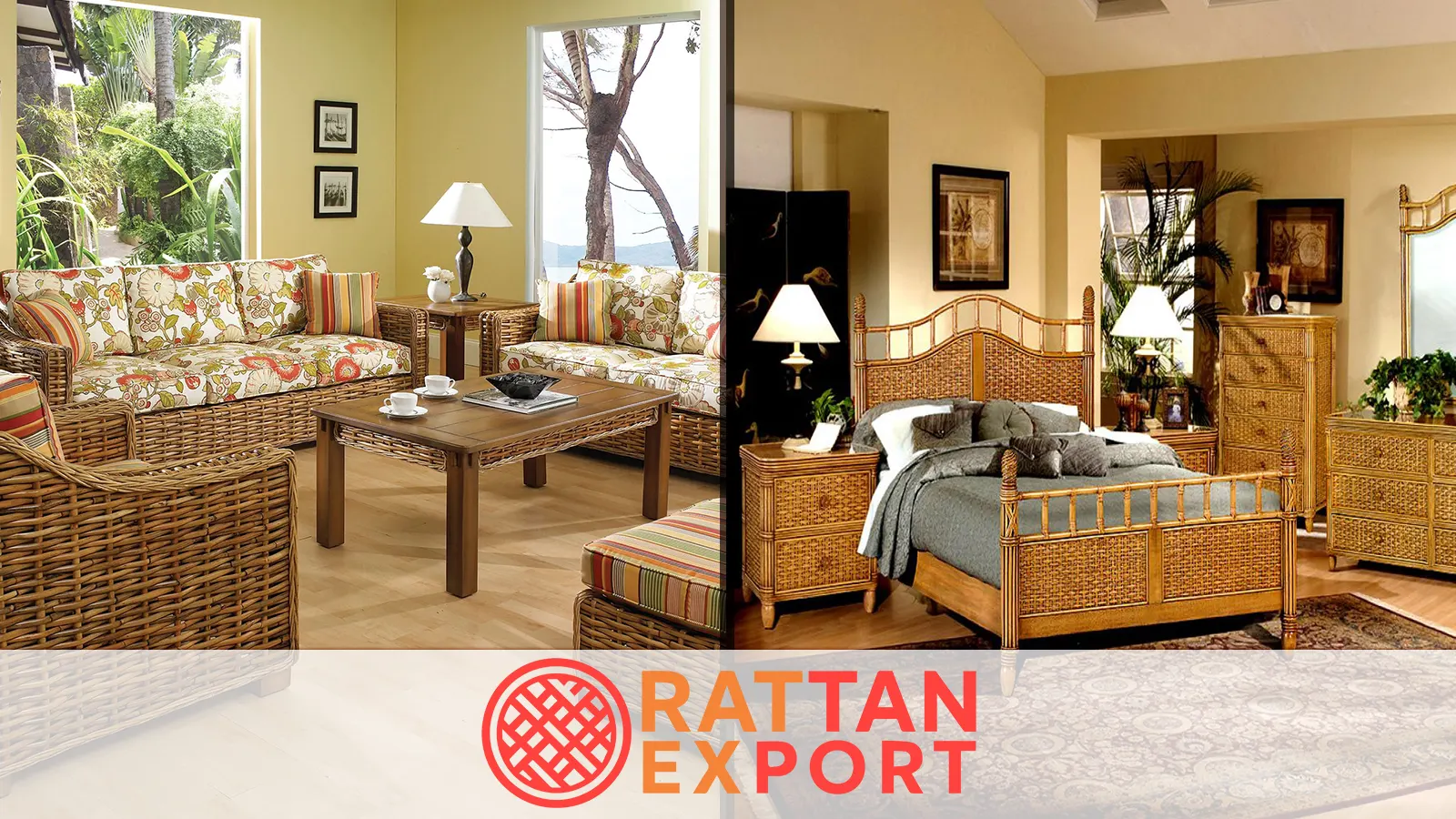
- Indoor Furniture: Modern designs that bring the look of natural rattan into interiors.
PE Rattan vs Natural Rattan
While both materials are popular, PE rattan and natural rattan have distinct differences:
| Aspect | PE Rattan | Natural Rattan |
|---|---|---|
| Durability | Highly durable, lasts 15–20 years | Lasts 5–10 years, needs care |
| Weather Resistance | Resistant to rain, UV, humidity | Not resistant, easily damaged outdoors |
| Maintenance | Low maintenance, easy cleaning | Needs protection, regular oiling |
| Eco-Friendly | Recyclable synthetic material | Natural, renewable resource |
| Appearance | Can be designed in many styles and colours | Authentic tropical aesthetic |
Craftsmanship and Production
PE rattan furniture is typically woven by skilled artisans using traditional weaving methods, but with synthetic fibres instead of natural cane. The weaving patterns can range from simple basket weave to complex diamond or herringbone designs. Frames are usually made of aluminium, steel, or hardwood to provide strength and stability. PE rattan strands are UV-stabilised, ensuring that they don’t crack or fade over time. This makes PE rattan furniture ideal for both commercial and residential use.
Durability and Longevity
One of the key advantages of PE rattan is its long lifespan. Synthetic rattan furniture can easily last 15–20 years with minimal maintenance. It does not crack, peel, or fade when exposed to outdoor elements. This makes it a cost-effective investment for homeowners and businesses looking for long-term value.
Maintenance Tips
Maintaining PE rattan furniture is simple:
- Clean regularly with a soft cloth and water.
- For stains, use mild soap and a soft brush.
- Cover furniture during extreme weather for added protection.
- Store cushions separately during rain or snow.
- Avoid placing near sharp objects to prevent scratches.
Price Range of PE Rattan Furniture
The cost of PE rattan furniture depends on size, design, and craftsmanship. Below is a general price comparison:
| Type | Price (USD) |
|---|---|
| PE Rattan Dining Chair | ~110 |
| PE Rattan Lounge Chair | ~235 |
| PE Rattan Outdoor Sofa Set | ~800 |
| PE Rattan Daybed with Canopy | ~1.350 |
Export and Global Demand
Indonesia is a major exporter of PE rattan furniture, with Bali and Java serving as key production hubs. Thousands of PE rattan products are exported annually to Europe, the United States, and the Middle East. Exporters often work under FOB (Free On Board) or Ex-Works terms and offer customized designs to meet international demand. With the growing global focus on sustainable living and eco-friendly products, PE rattan furniture continues to gain popularity worldwide.
Conclusion
PE rattan is a revolutionary material that combines the beauty of natural rattan with modern durability. Its weather resistance, long lifespan, and low maintenance make it the ultimate choice for outdoor and indoor furniture. Whether used in homes, hotels, resorts, or restaurants, PE rattan provides timeless style and sustainable comfort. Investing in PE rattan furniture means embracing both eco-friendly living and long-lasting quality, making it a perfect solution for modern lifestyles.