
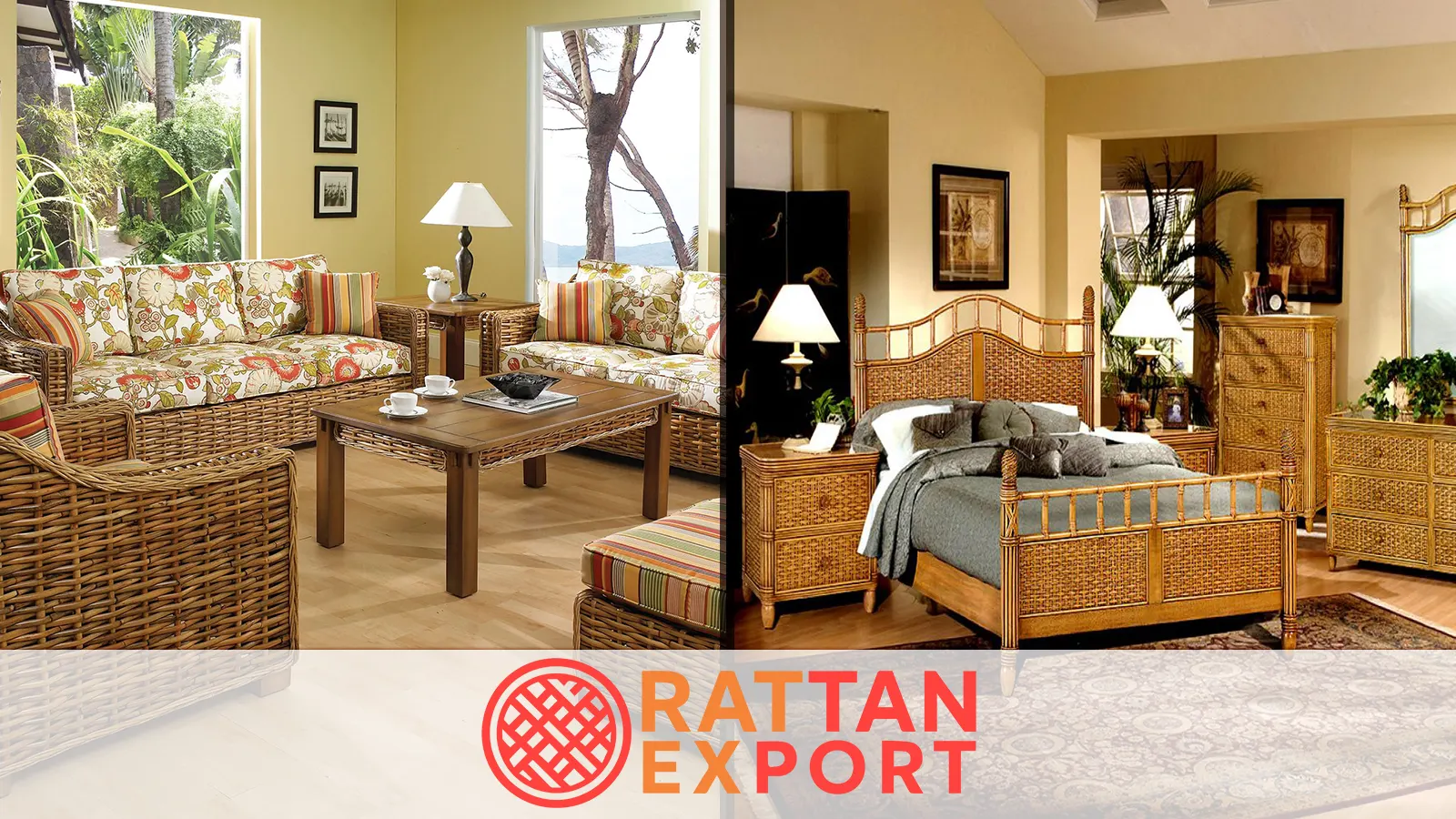
Rattan Bed
What is a Rattan Bed?
A rattan bed is a bed frame primarily constructed from natural rattan poles or synthetic PE rattan, often reinforced with a wooden or steel frame for stability. The natural woven rattan provides ventilation and an organic aesthetic, while synthetic versions add weather resistance for outdoor use. Available in single, queen, and king sizes, rattan beds come with headboards, footboards, and decorative woven patterns that enhance both comfort and design. They are popular among boutique hotels, luxury villas, eco-resorts, and retail chains worldwide.
Crafting Process of Rattan Beds
The production process combines artisanal skills with modern techniques to ensure durability and export quality. The steps include:
- Harvesting: Rattan is sustainably sourced from Indonesian forests.
- Treatment: The material is smoked, dried, and treated against pests.
- Frame Building: Hardwood or powder-coated metal provides strength.
- Weaving: Skilled artisans weave rattan strips into detailed patterns.
- Finishing: Beds are sanded, polished, and coated for durability.
- Quality Control: Export-ready products are inspected for consistency.
Why Importers Prefer Rattan Beds
Wholesale buyers across Europe, North America, and the Middle East prefer rattan beds for several reasons:
- Eco-Friendly Appeal: Rattan is renewable and biodegradable, aligning with sustainable business values.
- Durability: Despite its lightweight structure, rattan is strong and long-lasting.
- Global Trend: Demand for sustainable furniture continues to rise each year.
- Resale Margins: Wholesale buyers achieve high profit margins, as retail prices are often 3–5× higher.
- Design Versatility: Beds range from minimalist to luxury canopy styles.
Wholesale Price Range
Below is a realistic FOB Indonesia wholesale price list for bulk buyers:
| Product | Wholesale Price (USD) | MOQ |
|---|---|---|
| Single Rattan Bed Frame | 120,00 – 160,00 | 50 pcs |
| Queen Size Rattan Bed with Headboard | 180,00 – 240,00 | 40 pcs |
| King Size Rattan Bed (Full Weave) | 250,00 – 330,00 | 30 pcs |
| Luxury Canopy Rattan Bed | 380,00 – 500,00 | 20 pcs |
| Outdoor PE Rattan Daybed | 300,00 – 420,00 | 25 pcs |
These wholesale prices allow competitive entry into international markets while providing strong profit margins for importers.
Container Loading Capacity
- 20 ft container: 30–40 rattan beds
- 40 ft container: 70–90 rattan beds
- 40 ft HQ container: 100–120 rattan beds
Knock-down (KD) packaging options are widely offered to optimize container space, lower freight costs, and simplify handling.
Target Export Markets
Rattan beds are in demand in:
- Europe: Germany, France, UK, and Italy lead imports for eco-luxury hotels and sustainable homes.
- North America: U.S. retailers and wholesalers source directly from Indonesia for large-scale online and offline sales.
- Middle East: Dubai, Qatar, and Saudi Arabia hotels favor luxury canopy rattan beds.
- Asia-Pacific: Japan and Australia import rattan beds for their high-end furniture markets.
Design Variations
- Classic Rattan Bed: Minimalist design for urban homes.
- Canopy Rattan Bed: Luxury villas and resorts prefer canopy structures for a tropical atmosphere.
- Daybeds: Outdoor and poolside lounges prefer PE rattan daybeds.
- Headboard Models: Modern bedrooms often combine rattan headboards with wood or metal frames.
Natural vs. PE Rattan Beds
There are two main types:
- Natural Rattan Beds: Ideal for indoor use, featuring authentic handmade weaving.
- PE Rattan Beds: Synthetic material designed for outdoor durability against sun and rain.
Maintenance Guidelines
- Keep away from extreme moisture to prevent mold.
- Clean using a soft brush or cloth to remove dust.
- For PE rattan, wash with mild soap and water.
- Apply natural oil to maintain fiber flexibility.
- Avoid placing excessively heavy objects on the structure.
Market Trends & Long-Term Outlook
The rattan bed industry is projected to grow by 12–14% CAGR over the next five years. Demand from eco-hotels, Airbnb hosts, and sustainable furniture retailers is increasing sharply. Online furniture platforms are also expanding their rattan bed offerings, creating wider exposure for Indonesian manufacturers. Importers who establish direct factory relationships gain long-term advantages in pricing and product exclusivity.
Opportunities for Importers
- Private Label: Customize rattan beds under your own brand.
- Bulk Discounts: Higher quantities bring better factory rates.
- Interior Design Partnerships: Collaborate with designers to expand B2B sales.
- Eco Certification: Market rattan beds with sustainability labels for premium value.
Conclusion
Rattan Beds stand as a symbol of eco-conscious luxury, merging Indonesian craftsmanship with modern global demand. For importers and wholesalers, they represent a profitable, scalable, and sustainable product line. By sourcing rattan beds directly from Indonesian artisans and factories, businesses not only gain financial benefits but also contribute to the preservation of cultural heritage and eco-friendly industries worldwide. With growing awareness of sustainability, rattan beds will continue to dominate international furniture markets and secure long-term profits for serious exporters and buyers.