
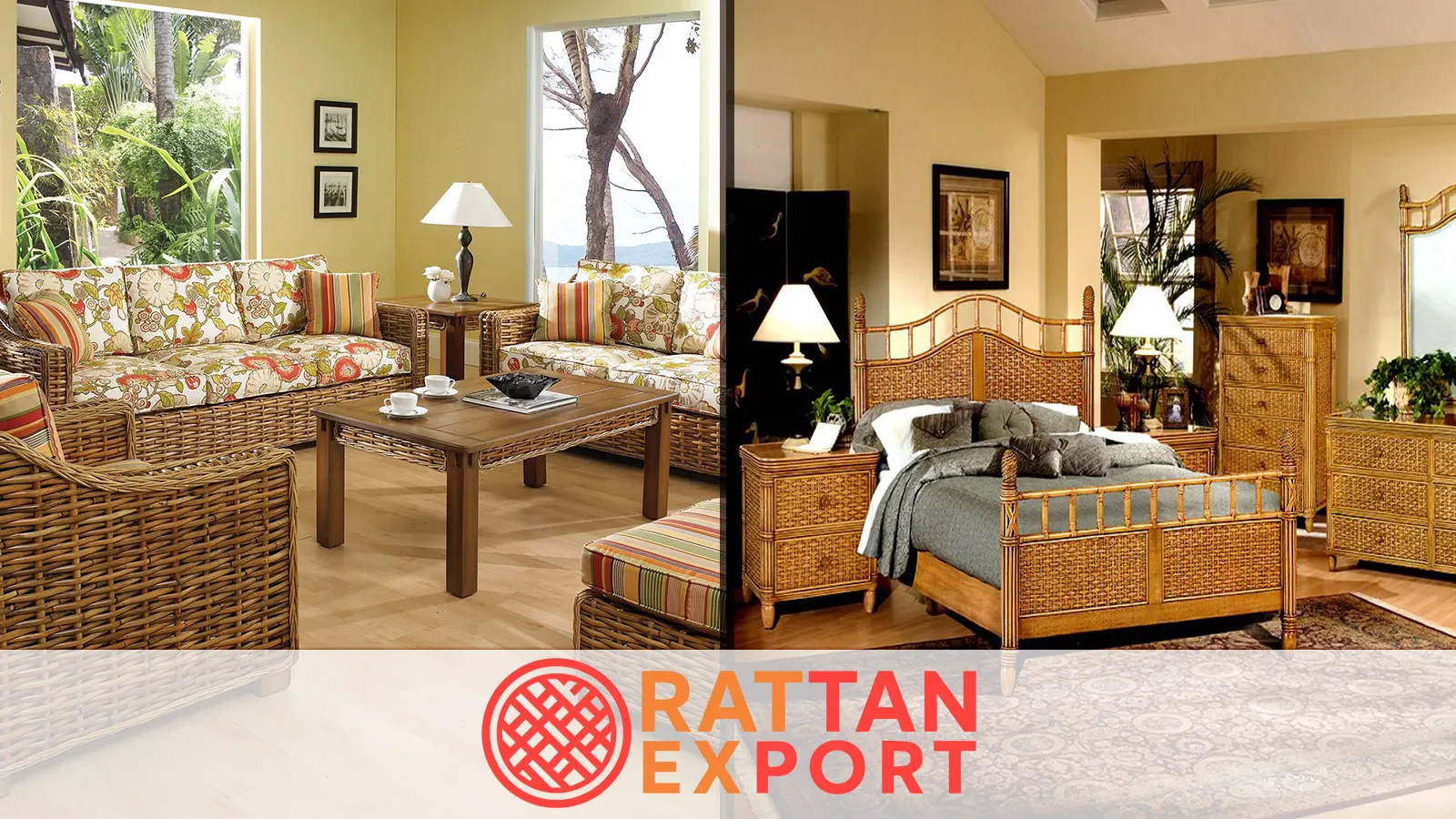
Rattan Coffee Table
Rattan coffee table products are becoming one of the most demanded categories in global wholesale furniture trade. Exporters in Indonesia, especially in Bali, Lombok, and Java, are producing thousands of models each month to supply hotels, resorts, villas, restaurants, and furniture distributors worldwide. Unlike retail store prices, wholesale rattan coffee tables are offered with competitive FOB Indonesia rates, container-based capacity planning, and flexible customization options. In this article, we will explore everything you need to know before importing rattan coffee tables in bulk, from raw material sourcing to design trends, logistics, and wholesale pricing.
Why Rattan Coffee Tables Dominate the Market
Rattan furniture has always been recognized for its strength, durability, and natural aesthetic. The coffee table, as the centerpiece of living rooms, lounges, and hospitality spaces, has become one of the most ordered products in the rattan category. Buyers in Europe, the United States, and the Middle East look for sustainable, eco-friendly, and stylish furniture pieces. Rattan coffee tables meet these expectations while offering several advantages over synthetic or wooden alternatives:
- Eco-Friendly Material: Natural rattan is a renewable resource that grows quickly and supports sustainable harvesting.
- Durability: Despite its lightweight structure, rattan is incredibly strong, able to withstand daily use for many years.
- Design Versatility: Rattan coffee tables come in round, square, oval, or irregular shapes, often combined with glass tops or wooden bases.
- Global Trend: Interior designers frequently use rattan coffee tables in resort-style projects, Scandinavian interiors, bohemian chic homes, and eco-conscious apartments.
- Cost Advantage: Compared to hardwood furniture, rattan coffee tables are more affordable while maintaining aesthetic appeal.
Manufacturing Process in Indonesia
Indonesia remains the largest producer and exporter of rattan furniture worldwide. The production of rattan coffee tables involves several steps:
- Raw Material Collection: Natural rattan is harvested mainly in Kalimantan, Sulawesi, and Sumatra, then shipped to Java and Bali for processing.
- Preparation: The rattan is peeled, boiled, and treated to prevent insects and mold.
- Weaving: Skilled artisans weave the rattan around wooden or metal frames to form unique coffee table designs.
- Finishing: Coffee tables may include glass tops, protective coatings, or coloring to match international tastes.
- Quality Control: Export-oriented factories conduct strict QC checks before packaging and loading for shipment.
Popular Designs for Rattan Coffee Tables
Based on buyer requests in 2024–2025, the following models are the most popular in international markets:
- Round rattan coffee tables with tempered glass tops.
- Square low-profile tables with storage compartments.
- Rustic natural-finish tables with no additional coloring.
- Painted rattan coffee tables in white, black, or pastel tones.
- Hybrid designs that mix rattan with teakwood, mahogany, or iron bases.
Wholesale Pricing and MOQ
Wholesale pricing for rattan coffee tables depends on order quantity, design complexity, and finishing details. Below is a sample wholesale price overview (FOB Indonesia, bulk order):
| Model | MOQ (pcs) | FOB Price (USD) |
|---|---|---|
| Round Natural Rattan Coffee Table | 50 | 38.00 USD |
| Square Coffee Table with Storage | 50 | 42.00 USD |
| Rattan Coffee Table with Glass Top | 30 | 48.00 USD |
| Painted White Rattan Coffee Table | 30 | 52.00 USD |
| Designer Rattan & Teak Hybrid Table | 20 | 65.00 USD |
These are indicative wholesale prices. Retail prices in Europe or the U.S. are often 3–4 times higher. By purchasing directly from Indonesian factories, buyers can secure strong profit margins.
Container Capacity and Export Planning
Most international buyers order rattan coffee tables by container loads to optimize shipping costs. A standard 40-foot HQ container can load approximately 400–450 coffee tables, depending on packaging. Here is a capacity example:
| Container Type | Capacity (pcs) | Approx. Freight Cost (USD) |
|---|---|---|
| 20ft Container | 180–220 | 2,200 – 2,600 USD |
| 40ft Standard | 350–380 | 3,200 – 3,600 USD |
| 40ft HQ | 400–450 | 3,400 – 3,900 USD |
By filling a full container, buyers significantly reduce the per-unit landed cost. Consolidation options are also available for smaller importers.
Market Demand by Region
Rattan coffee tables enjoy strong demand in multiple regions:
- Europe: Scandinavian and Mediterranean countries import large quantities for eco-friendly home design.
- United States: Bohemian and resort-style homes drive steady demand for rattan coffee tables in California, Florida, and coastal states.
- Middle East: Resorts and luxury villas in UAE, Qatar, and Saudi Arabia prefer rattan furniture for outdoor and indoor use.
- Australia: Coastal lifestyle and eco-conscious trends make rattan coffee tables highly popular.
PE Rattan vs. Natural Rattan Coffee Tables
When importing wholesale, buyers must choose between natural rattan and PE (synthetic) rattan coffee tables:
- Natural Rattan: Authentic look, eco-friendly, higher perceived value. Suitable for indoor use.
- PE Rattan: Made of weather-resistant synthetic material, ideal for outdoor furniture, especially in humid or rainy climates.
- Many wholesalers offer hybrid collections: natural rattan for indoor coffee tables and PE rattan for outdoor lounges.
Customization Options for Buyers
Export factories in Indonesia accept OEM and ODM projects. Customization includes:
- Choice of rattan type (natural or synthetic).
- Frame materials: wood, iron, or aluminum.
- Finishing: natural, painted, or colored.
- Dimensions based on buyer requests.
- Brand labeling and packaging with private logos.
Logistics and Import Documentation
Importing rattan coffee tables requires careful planning of documentation. Indonesian exporters usually provide:
- Invoice and Packing List.
- Certificate of Origin.
- Fumigation Certificate (for wooden pallets).
- Phytosanitary Certificate (for natural rattan products).
- Bill of Lading.
Buyers should also check HS Codes and import duties in their respective countries. For example, HS Code 9403.82 applies to rattan furniture in many regions.
How to Care for Rattan Coffee Tables
To ensure long-term customer satisfaction, importers should provide after-sales care instructions:
- Keep coffee tables away from excessive humidity to avoid mold growth.
- Clean with a soft brush or vacuum with a fabric attachment.
- For outdoor use, apply protective coating or cover during rain.
- Avoid placing heavy items that could distort the rattan structure.
- Occasionally apply natural oils to maintain flexibility and shine.
Wholesale vs. Retail Comparison
Below is an example of wholesale versus retail pricing:
| Model | Wholesale Price (FOB Indonesia) | Retail Price (EU/US) |
|---|---|---|
| Round Rattan Coffee Table | 38.00 USD | 149.00 – 199.00 USD |
| Square Rattan Coffee Table | 42.00 USD | 159.00 – 220.00 USD |
| Designer Hybrid Coffee Table | 65.00 USD | 249.00 – 350.00 USD |
This margin highlights the profitability of wholesale importing for distributors and furniture retailers worldwide.
Cultural and Economic Impact
Buying wholesale rattan coffee tables from Indonesia not only supports eco-friendly living but also contributes to local economies. Thousands of Indonesian families rely on rattan weaving as their main income source. Every exported coffee table represents hours of artisan craftsmanship, sustaining cultural heritage and empowering rural communities. By choosing Indonesian suppliers, importers actively contribute to fair trade, women’s empowerment, and the preservation of traditional arts.
Conclusion
Rattan coffee tables are more than just furniture; they represent a balance of sustainability, design, and profitability. For importers and wholesalers, they offer strong profit margins, global appeal, and long-term market potential. Whether supplying luxury resorts, eco-conscious apartments, or mainstream retail chains, wholesale rattan coffee tables remain one of the smartest investments in international furniture trade. By partnering with Indonesian exporters, buyers secure reliable supply, customizable designs, and authentic products that resonate with modern lifestyle trends.