Vietnam’s July Trade Deficit Widens as Fuel Costs Drive Import Growth
Vietnam’s July trade deficit widened as imports outpaced strong export growth, with sharply higher crude-oil and refined-fuel costs increasing pressure on the import bill.

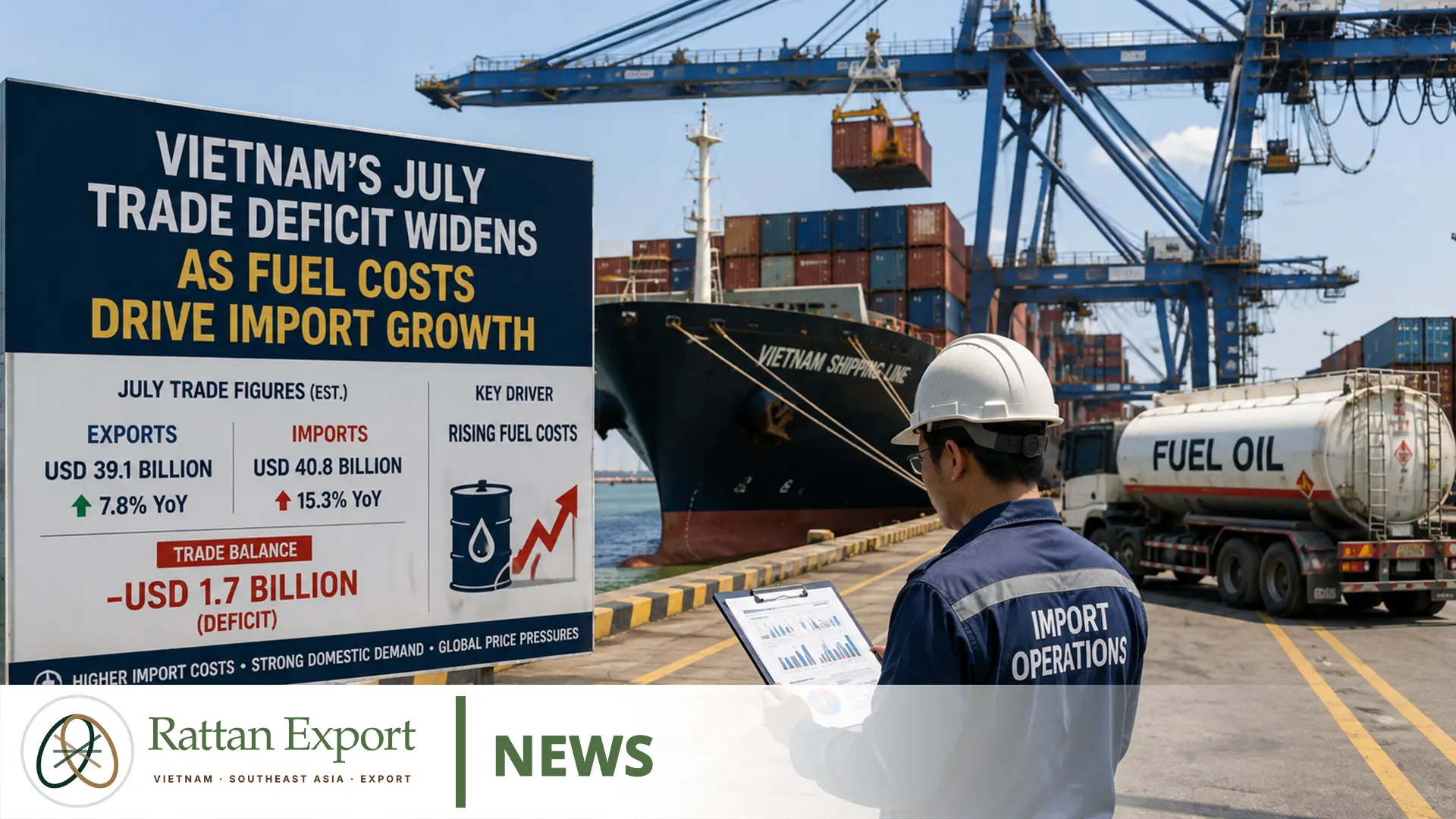
Vietnam’s July trade deficit widened as imports outpaced strong export growth, with sharply higher crude-oil and refined-fuel costs increasing pressure on the import bill.
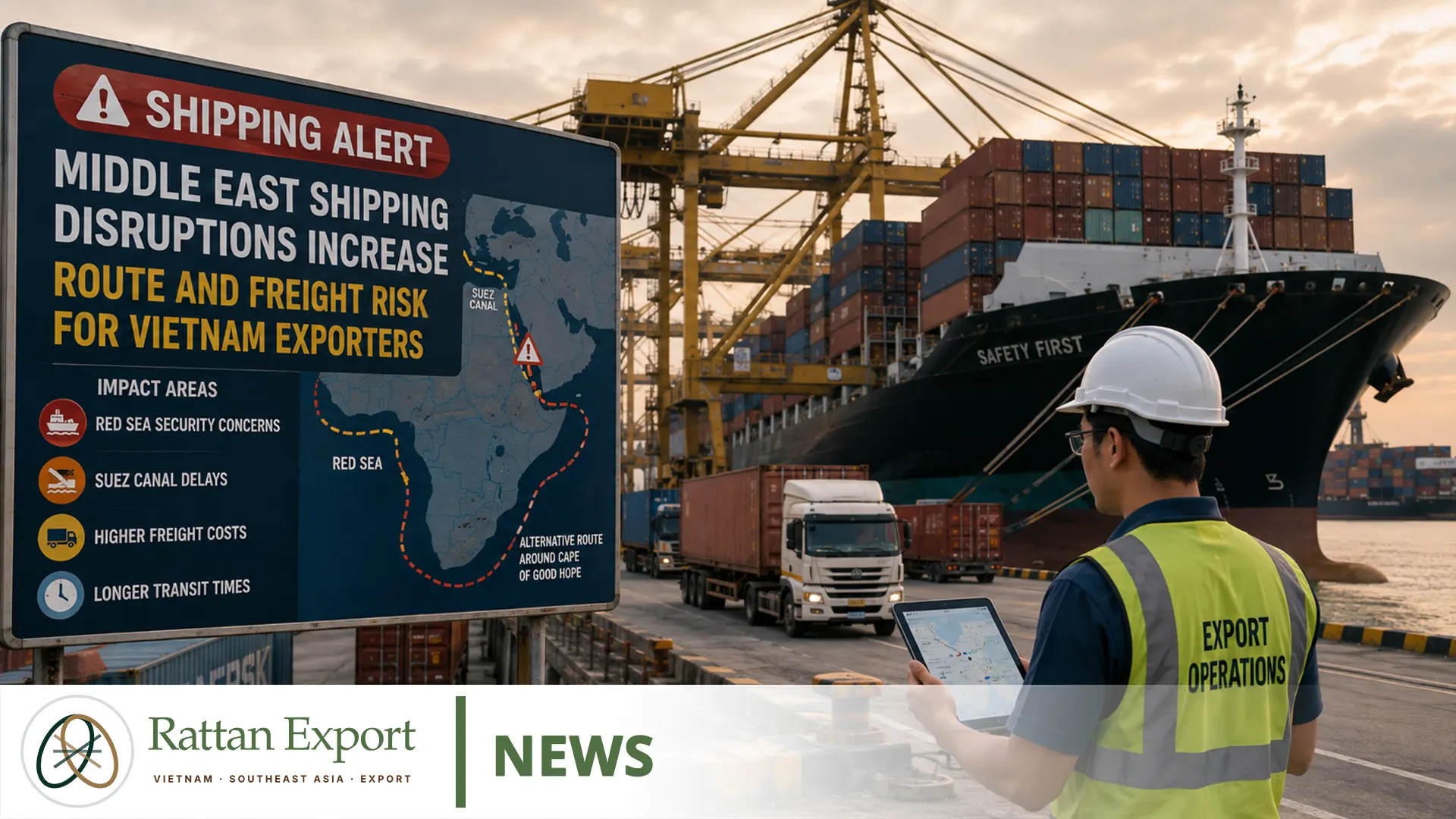
Middle East shipping disruption raises route, freight and delivery risk for Vietnam exporters, making container planning and logistics contingencies more important in 2026.

Vietnam raises digitalisation of import-export procedures on its 2026 trade agenda, focusing on Digital Customs, connected data and more streamlined clearance.
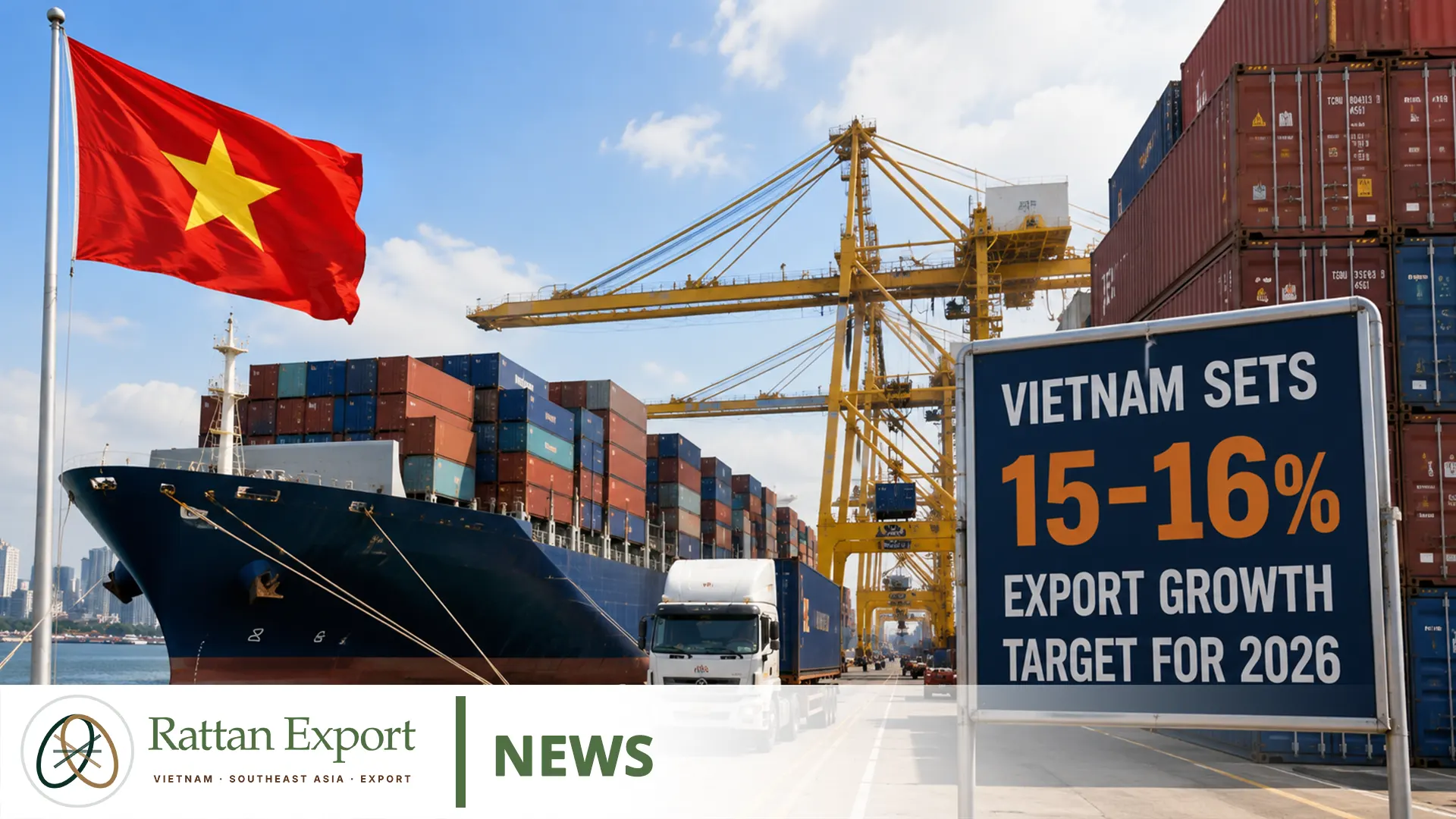
Vietnam targets 15–16% export growth in 2026, aiming for roughly US$546–550 billion as it expands markets, FTA use, trade promotion and export readiness.

Vietnamese exporters enter 2026 with container utilization, route volatility, booking discipline and landed-cost risk becoming more important to commercial planning.